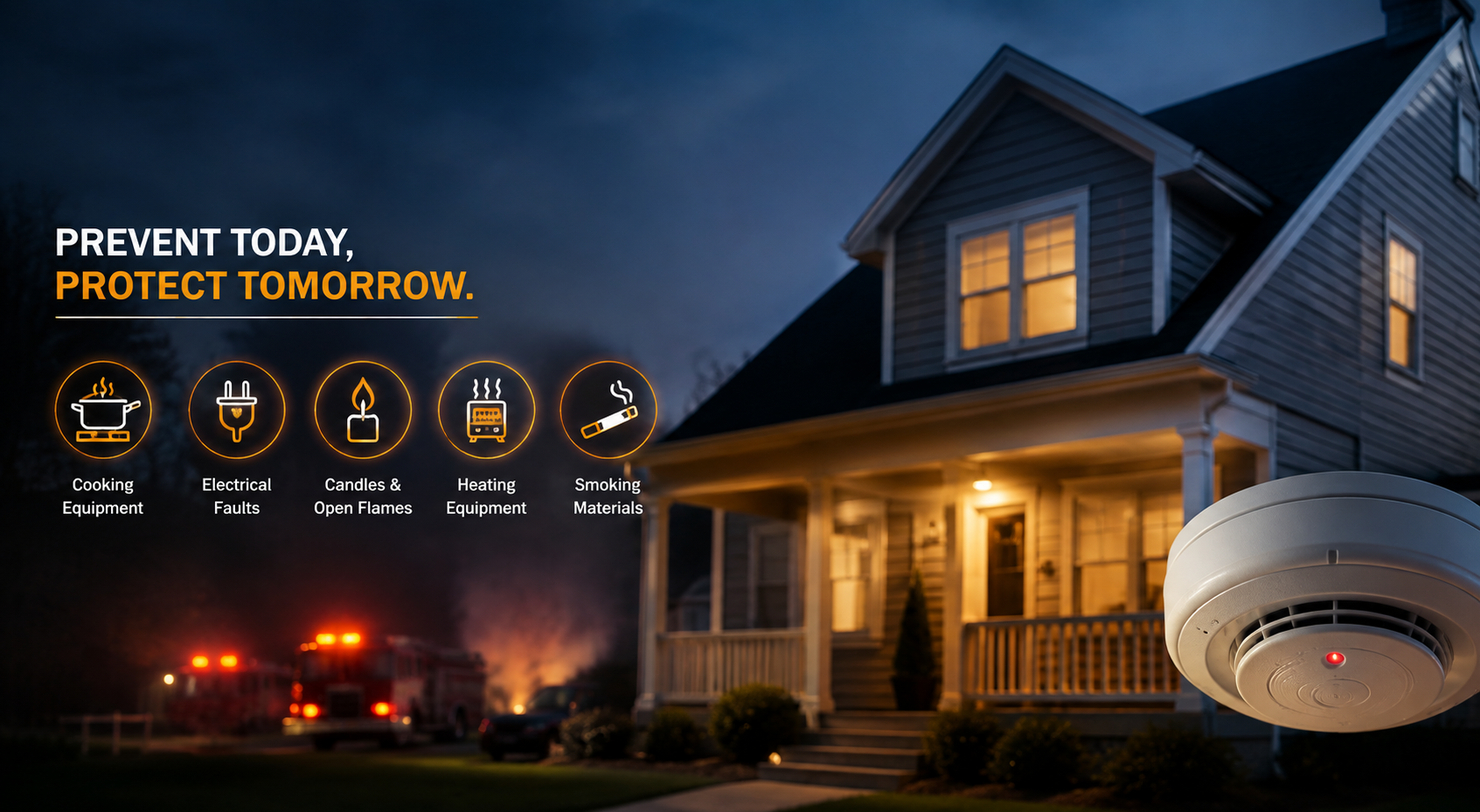
A house fire can turn an ordinary household accident into a life-threatening emergency within minutes. Unlike many other emergencies, fires don’t always give occupants much time to react. Smoke can spread through a home before flames become obvious, while heat and toxic gases can make escape increasingly difficult.
The good news is that many residential fires are preventable. Understanding where fires begin and the everyday behaviors that allow them to spread, is one of the simplest ways to reduce the risk.
How Common Are House Fires in the United States?
Residential fires remain a major public-safety problem in the United States. According to the National Fire Protection Association (NFPA ), U.S. fire departments responded to approximately 1.3 million fires in 2023, including roughly 344,000 home structure fires. Those home fires caused approximately:
- 2,895 civilian deaths
- 11,775 civilian injuries
- $16.9 billion in direct property damage
These figures demonstrate something important; A house fire isn’t simply a property-loss event. It can become a serious threat to life within minutes.
What Causes Most House Fires?
Although individual fire statistics vary from year to year, several causes consistently appear among the leading sources of residential fires. The biggest categories include:
- Cooking
- Electrical distribution and lighting equipment
- Heating equipment
- Smoking materials
- Candles and open flames
- Clothes dryers and washing equipment
- Extension cords and power strips
- Children playing with fire
The exact ranking depends on the dataset and reporting period, but the pattern is remarkably consistent; Many residential fires begin with ordinary household activities.
1. Cooking Fires
Cooking is one of the most common causes of home fires, and there is a reason. Cooking combines:
Heat + combustible materials + human attention
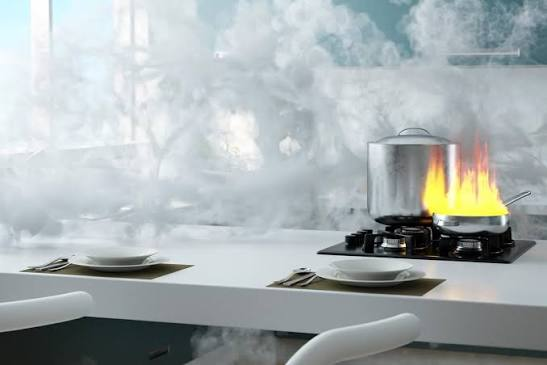
A pan of oil can become extremely dangerous when overheated. Food can ignite. Grease can spread flames. A person can also accidentally leave a stove unattended.
Why Cooking Fires Become Dangerous
A small kitchen fire can spread rapidly because kitchens often contain combustible materials such as:
- Cooking oil
- Paper towels
- Curtains
- Wooden cabinets
- Packaging
- Dish towels
Once flames reach nearby materials, the fire can grow beyond the original cooking appliance.
What To Do If a Pan Catches Fire
Never throw water onto a grease or oil fire, as water can cause burning oil to splatter violently and spread the fire. If it is safe to do so:
- Turn off the heat.
- Cover the pan with a metal lid.
- Leave the lid in place.
- Keep away from the pan.
- Call emergency services if the fire does not immediately remain contained.
If the fire spreads beyond the pan; Get out! Don’t attempt to fight a growing kitchen fire yourself.
2. Electrical Fires
Electrical problems are another major residential fire hazard. Potential causes include:
- Damaged wiring
- Overloaded circuits
- Faulty appliances
- Loose electrical connections
- Improperly installed equipment
- Damaged extension cords
- Counterfeit or unsafe electrical products
Warning Signs of an Electrical Problem
Pay attention to:
- Flickering lights
- Burning smells
- Buzzing or crackling outlets
- Warm or discolored outlets
- Frequently tripped breakers
- Sparks
- Electrical shocks
These shouldn’t simply be ignored. A repeated breaker trip can indicate an underlying electrical problem rather than an inconvenience.
Don’t Overload Outlets
Power strips don’t magically create more electrical capacity. Connecting several high-powered appliances to one outlet or circuit can overload the system. Be especially careful with high-wattage appliances such as:
- Space heaters
- Air conditioners
- Electric kettles
- Irons
- Microwaves
- Refrigerators
- Washing machines
3. Heating Equipment
Heating equipment is another major source of residential fires, particularly during colder periods. Potential hazards include:
- Space heaters
- Fireplaces
- Furnaces
- Portable heaters
- Wood-burning stoves
Space Heater Safety
Keep portable heaters at least 3 feet away from combustible materials. That includes:
- Curtains
- Beds
- Sofas
- Clothing
- Rugs
- Paper
Never use a damaged heater. And don’t use an extension cord unless the manufacturer specifically permits it and the cord is appropriately rated.
Never Leave a Space Heater Unattended
A heater can remain extremely hot even after being switched off. Turn it off when:
- Leaving the room
- Going to sleep
- Leaving the house
4. Smoking Materials
Cigarettes, cigars and other smoking materials can ignite:
- Bedding
- Upholstery
- Clothing
- Curtains
- Paper
- Trash
The danger becomes even greater when someone falls asleep while smoking. Never smoke in bed. Make sure smoking materials are completely extinguished before disposal.
5. Candles
Candles create an open flame inside the home. That makes them inherently risky when left unattended. Keep candles away from:
- Curtains
- Bedding
- Books
- Decorations
- Paper
- Children
- Pets
A candle should never be left burning while everyone leaves the room.
6. Clothes Dryers
Dryers can become fire hazards when lint accumulates. Lint is highly combustible. Clean the lint filter after every load. Also inspect the dryer vent periodically.
A clogged vent can restrict airflow, increase operating temperatures and contribute to fire risk.
7. Children and Fire
Children are naturally curious about fire. Matches, lighters and candles can become dangerous when accessible to young children. Keep matches and lighters; Out of sight and out of reach at all times.
Simply telling a child not to touch them isn’t enough. Physical access matters.
8. Barbecue Grills and Outdoor Cooking
Fire hazards aren’t limited to the interior of your house, as outdoor outbreaks from equipments like Grills can ignite:
- Decks
- Wooden structures
- Dry vegetation
- Outdoor furniture
So alwsys make sure to place your grills on stable, non-combustible surfaces and keep away from structures or flammable materials. Never bring a charcoal or gas grill indoors, as they can cause extreme outbreaks.
9. Generators
Generators are extremely useful during power outages but they are also another hazardous equipment that can create serious fire outbreak and carbon-monoxide hazards. Never operate a fuel-burning generator:
- Inside the house
- In a garage
- In a basement
- In another enclosed space
Generators must be positioned outdoors and away from doors, windows and vents according to manufacturer and safety guidance.
10. Flammable Liquids
Gasoline, solvents, paint thinners and similar products can ignite easily. Store them properly according to the manufacturer’s instructions. Never use gasoline as an accelerant for indoor fires or outdoor burning. Keep flammable materials away from ignition sources.
Why Smoke Alarms Matter
Smoke alarms provide one of the earliest warnings that something is wrong. The NFPA recommends installing smoke alarms:
- Inside every bedroom
- Outside sleeping areas
- On every level of the home
Interconnect alarms where possible so that when one detects smoke, others can sound as well.
Test Your Smoke Alarms
Don’t assume a smoke alarm works because it’s mounted on the ceiling, try as much as possible to test it regularly. Also ensure you replace batteries according to manufacturer recommendations and replace the entire alarm when it reaches the end of its service life.
For modern homes, interconnected alarms can provide particularly valuable early warning. Don’t Disable a Smoke Alarm Because It’s Annoying, because this tends to happens frequently with cooking-related false alarms. Instead of removing the battery, consider:
- Moving the alarm to a more appropriate location where allowed
- Improving ventilation
- Using a hush/silence feature
- Choosing an alarm designed to reduce nuisance alarms
A disabled smoke alarm cannot protect you.
Carbon Monoxide Is Another Threat
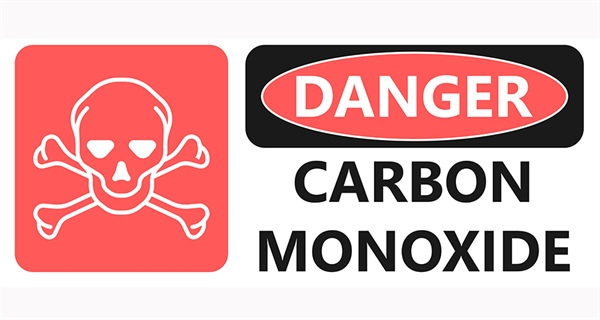
A fire isn’t the only dangerous thing that can happen inside a home. Carbon monoxide (CO) is an odorless and colorless gas produced by incomplete combustion. Sources can include:
- Generators
- Gas appliances
- Furnaces
- Fireplaces
- Vehicles
Install carbon-monoxide alarms according to applicable safety guidance.
Have a Home Fire Escape Plan
Every household should know: How do we get out?
Identify at least two escape routes from sleeping areas where possible. For example:
Bedroom → Hallway → Front Door
Or
Bedroom → Window/Emergency Exit → Outside
Now when you do get out, ensure you stay out, as this is one of the most important fire-safety rules. If you escape a burning building, do not try to go back inside to get your Phones, Wallets, Documents, Clothing, Pets, or even another person, as you are not a trained professional. Instead, tell firefighters if someone or an animal may still be inside, as professionals have the equipment and training to conduct thorough searches and rescues.
What If Your Clothes Catch Fire?
Now another burning question that need to be addressed is what to do in a situation wjrrr a piece of clothing you have on at the moment catches fire. It woukd be really helpful to remember this in such a situation :
STOP
DROP
ROLL
Don’t run, as the wind or breeze accumulated from running can intensify flames.
What If There’s Smoke in the Hallway?
This is another important take, as smoke rises naturally so it’s best you try as much as possible to stay as low as possible while moving toward an exit. If a door feels hot, Don’t open it, instead look for another escape route if available.
Also remember never to use an Elevator during a Fire emergency outbreak, always use stairways whenever possible. Elevators can become unsafe because of:
- Power failure
- Smoke
- Heat
- Mechanical problems
Follow building evacuation procedures.
Fire Safety for Apartments
Apartment residents face additional challenges because they may have:
- Shared corridors
- Multiple floors
- Limited exits
- Neighboring units
- Common electrical systems
Know your building’s:
- Fire exits
- Stairwells
- Alarm system
- Assembly area
Never block emergency exits.
Fire Safety for Renters
Renters should check that their home has working:
- Smoke alarms
- Carbon-monoxide alarms where required
- Accessible exits
Also consider renters insurance. Your landlord’s insurance generally protects the building, not necessarily your personal belongings.
Fire Safety for Homeowners
Homeowners should periodically inspect:
- Electrical systems
- Heating equipment
- Chimneys
- Dryer vents
- Smoke alarms
- Carbon-monoxide alarms
- Fire extinguishers
Professional inspections may be appropriate for complex electrical, gas or structural issues.
Should You Own a Fire Extinguisher?
A properly selected and maintained extinguisher can be useful for a small, contained fire when you have a clear escape route.
But an extinguisher is not a substitute for evacuation. The moment a fire becomes too large, produces heavy smoke or threatens your escape route, Leave.
Remember PASS
For an appropriate extinguisher:
P — Pull the pin
A — Aim at the base of the fire
S — Squeeze the handle
S — Sweep from side to side
Only attempt this if the fire is small and you can safely escape.
Common Fire-Safety Mistakes
- Leaving cooking unattended
- Overloading outlets
- Using damaged electrical cords
- Leaving candles burning
- Sleeping with cigarettes
- Putting clothes too close to heaters
- Ignoring dryer lint
- Disabling smoke alarms
- Blocking exits
- Going back inside after escaping
These may seem like small mistakes, but fires often start with small mistakes.
House Fire Risk at a Glance
| Major Risk | Typical Hazard |
| Cooking | Grease, unattended food |
| Electrical | Overloads, damaged wiring |
| Heating | Space heaters, fireplaces |
| Smoking | Bedding, upholstery |
| Candles | Open flame |
| Dryers | Lint accumulation |
| Children | Matches/lighters |
| Outdoor cooking | Grills near structures |
| Generators | Fire and CO |
| Flammable liquids | Vapors and ignition |
Texas and House Fire Safety
Texas faces many of the same residential fire risks seen nationally, but the state’s climate and geography introduce additional considerations.
During periods of extreme heat, drought or high winds, fires can spread more readily outside the home. That means residents need to think about both structure fires and wildfire exposure.
A home can be threatened from the inside by a cooking or electrical fire or from outside by a rapidly spreading grass or brush fire.
House Fire Emergency Checklist
Wheneve you move to a new place or get a new home, ensure you check for all safety and emergency provisions, and make sure they are properly set up and predetermined before an unfortunate event like a fire outbreak occurs. Use thsi checklist;
☐ Install smoke alarms
☐ Test alarms
☐ Create an escape plan
☐ Identify two exits
☐ Keep exits clear
☐ Inspect electrical equipment
☐ Clean dryer lint
☐ Store flammable materials safely
☐ Keep fire extinguishers accessible
During a fire
☐ Alert others
☐ Get outside
☐ Stay low if smoke is present
☐ Use an alternate exit if necessary
☐ Call emergency services
☐ Never go back inside
After the fire
☐ Stay away until authorities say it’s safe
☐ Avoid damaged structures
☐ Contact your insurer
☐ Document damage
☐ Follow official cleanup instructions
Frequently Asked Questions
1.What is the most common cause of house fires?
Cooking consistently ranks among the leading causes of home fires in U.S. fire statistics.
2.How quickly can a house fire spread?
There is no single timeline. Fire growth depends on fuel, ventilation, room configuration and other factors. However, conditions can deteriorate extremely quickly, which is why early detection and immediate evacuation are critical.
3.Should I use water on a grease fire?
No. Water can cause burning grease to splatter and spread the fire.
4.How many smoke alarms should a home have?
The NFPA recommends alarms inside every bedroom, outside sleeping areas and on every level of the home.
5.Should I go back inside to rescue my pet?
No. Tell firefighters that your pet may still be inside.
6.What should I do if my smoke alarm keeps going off while cooking?
Use the alarm’s hush feature if available and address the source of nuisance alarms. Never permanently disable the alarm.
Final Takeaway
Most people don’t expect their house to catch fire. That’s precisely why preparation matters. The biggest risks aren’t always dramatic. They’re often ordinary things like a pan left unattended, a damaged electrical cord, a candle forgotten in another room, Lint accumulating inside a dryer or even a space heater placed too close to a bed.
Understanding those risks gives homeowners and renters an opportunity to prevent a dangerous situation before it begins. And if a fire does start, remember the most important rule: Get out, stay out and let firefighters handle the fire. A few minutes of preparation today can make an enormous difference when every second counts.