The holiday season is one of the most exciting times of the year. Families travel to visit loved ones, shoppers flood stores looking for gifts, neighborhoods decorate their homes, and millions of people spend more time away from their usual routines.
Unfortunately, it’s also one of the busiest times of the year for criminals. The same factors that make the holidays enjoyable, shopping, travel, online spending, package deliveries, and social gatherings, also create opportunities for theft, fraud, scams, and other crimes. Criminals know that people are often distracted, rushed, and carrying valuable purchases, making them more vulnerable than usual.
From package theft and vehicle break-ins to identity theft and holiday shopping scams, the risks can increase significantly during peak holiday periods. According to crime prevention experts, many holiday-related crimes are crimes of opportunity, meaning they can often be prevented through simple precautions and increased awareness.
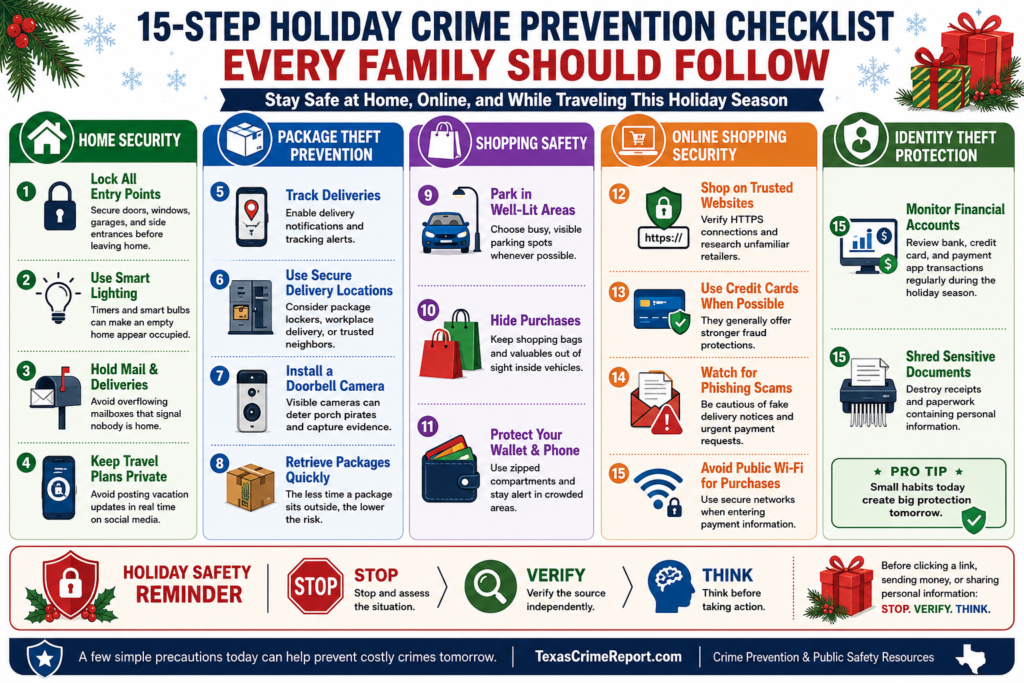
The good news is that staying safe doesn’t require paranoia or expensive security systems. A few smart habits can dramatically reduce your chances of becoming a victim. This ultimate holiday crime prevention checklist will help you protect your home, family, finances, and personal information so you can focus on enjoying the season instead of dealing with unnecessary stress.
Why Crime Often Increases During the Holidays
Several factors contribute to increased criminal activity during holiday periods:
- More online shopping
- More package deliveries
- Increased travel
- Empty homes
- Larger crowds
- Increased spending
- More distracted consumers
Criminals often look for easy opportunities, and the holidays provide plenty of them.
Holiday Crime Opportunities
Common holiday-related crimes include:
- Package theft
- Burglary
- Vehicle theft
- Pickpocketing
- Credit card fraud
- Online shopping scams
- Identity theft
- Charity scams
Understanding these risks is the first step toward preventing them.
Home Security Checklist

1. Make Your Home Look Occupied
Burglars often target homes that appear empty. If you’re traveling:
- Use smart lights or timers.
- Ask a neighbor to collect mail.
- Arrange for package pickups.
- Keep some lights on during evening hours.
A lived-in appearance can discourage opportunistic burglars.
2. Avoid Advertising Your Travel Plans
Many people unknowingly reveal too much information online. Avoid posting:
- Vacation countdowns
- Travel itineraries
- Real-time vacation photos
- Extended absence announcements
Wait until you return home before sharing travel updates publicly.
3. Secure Doors and Windows
It sounds obvious, but many burglaries occur through unlocked entry points.
Before leaving:
• Lock all doors
• Lock all windows
• Secure garage entrances
• Check sliding doors
• Activate alarm systems
4. Protect Holiday Gifts
Visible gifts can attract unwanted attention. Avoid placing:
- Electronics
- Bicycles
- Expensive packages
directly in front of windows where they can be seen from outside.
Package Theft Prevention Checklist
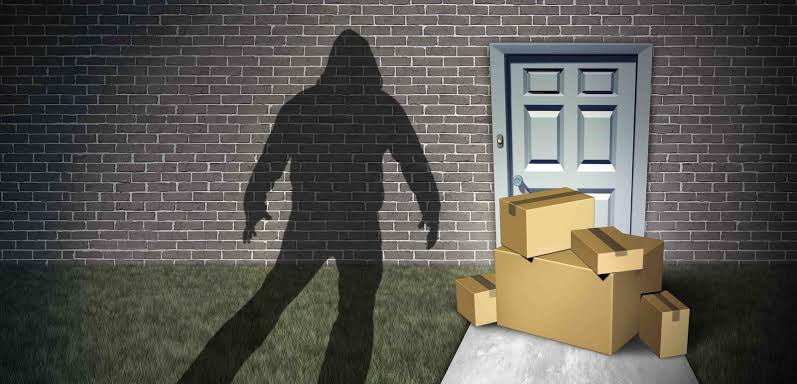
Package theft increases significantly during major shopping periods, but these can be easier prevented and avoid if observed properly.
5. Track Deliveries Closely
Most delivery services provide:
- Tracking updates
- Delivery notifications
- Photo confirmations
Monitoring deliveries reduces the amount of time packages remain unattended.
6. Use Secure Delivery Options
Consider:
- Package lockers
- Workplace delivery
- Signature-required delivery
- Trusted neighbor collection
The less time a package sits outside, the lower the risk of theft.
7. Install a Doorbell Camera
Visible cameras can:
- Deter porch pirates
- Capture evidence
- Provide alerts
- Improve package monitoring
Many modern systems allow real-time viewing through mobile devices.
Shopping Safety Checklist
8. Stay Alert in Parking Lots
Parking lots can become crowded during holiday shopping periods.
Stay aware of:
- People following you
- Suspicious vehicles
- Isolated parking areas
Whenever possible:
- Park near entrances.
- Choose well-lit areas.
- Keep valuables out of sight.
9. Avoid Leaving Purchases Visible
A vehicle filled with shopping bags can become an attractive target.
Store purchases:
- In the trunk
- Under cargo covers
- Out of public view
Even empty shopping bags can signal the presence of valuable items.
10. Protect Your Wallet and Phone
Crowded shopping environments create opportunities for:
- Pickpocketing
- Purse theft
- Device theft
Keep personal items:
- Close to your body
- Secured in zipped compartments
- Under constant supervision
Online Shopping Security Checklist
11. Shop Only on Trusted Websites
Holiday scammers frequently create fake shopping websites.
Before purchasing:
- Verify website legitimacy.
- Check secure HTTPS connections.
- Research unfamiliar retailers.
- Read reviews.
If a deal seems unbelievably good, investigate carefully.
12. Use Secure Payment Methods
Credit cards generally offer stronger fraud protection than:
- Wire transfers
- Gift cards
- Cryptocurrency payments
- Direct payment requests
Whenever possible, avoid payment methods that offer limited consumer protections.
13. Watch for Holiday Phishing Scams
Holiday phishing scams often mimic:
- Delivery companies
- Online retailers
- Banks
- Gift card providers
Common messages include:
- “Package delivery failed.”
- “Confirm your payment information.”
- “Urgent account verification required.”
Always verify requests independently before clicking links.
Identity Theft Protection Checklist

14. Monitor Financial Accounts
The holidays are a busy time for fraudsters. Regularly check:
- Bank accounts
- Credit card transactions
- Payment apps
- Shopping accounts
Early detection often prevents larger losses.
15. Shred Sensitive Documents
Holiday spending generates paperwork that can contain valuable information.
Destroy documents containing:
- Account numbers
- Personal information
- Financial records
Proper disposal reduces identity theft risks.
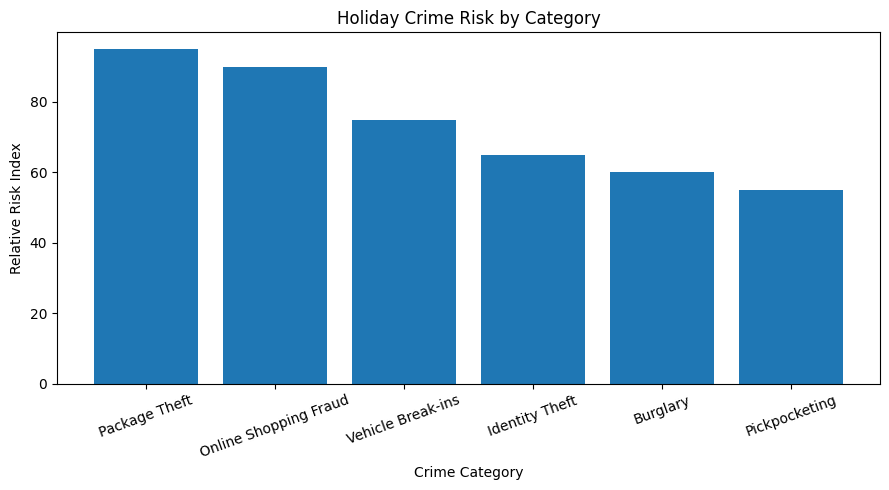
Relative holiday crime risks based on common seasonal crime patterns. Package theft and online shopping fraud typically see the largest increases during peak holiday periods, while burglary, identity theft, vehicle break-ins, and pickpocketing also remain significant concerns.
Source: Compiled from consumer fraud trends, property crime patterns, retail security reports, and seasonal crime prevention guidance from U.S. law enforcement and consumer protection agencies.
The holiday season creates more opportunities for criminals due to increased shopping activity, package deliveries, travel, and online transactions. As the chart illustrates, package theft and online shopping fraud tend to represent the highest seasonal risks. However, traditional crimes such as burglary, vehicle break-ins, and identity theft continue to affect thousands of households each year, making a layered approach to security essential during the holidays.
Holiday Crime Prevention Quick Reference
Before the holidays, ask yourself:
Home Security
• Doors locked
• Windows secured
• Alarm activated
• Mail collection arranged
• Travel plans kept private
Package Security
• Delivery notifications enabled
• Secure delivery location selected
• Camera system active
Shopping Safety
• Purchases hidden
• Wallet secured
• Parking awareness maintained
Online Safety
• Trusted websites used
• Secure payments enabled
• Phishing awareness maintained
Identity Protection
• Accounts monitored
• Sensitive documents destroyed
Most Common Holiday Crime Risks
Property Crimes
- Burglary
- Vehicle break-ins
- Package theft
- Shoplifting
Fraud-Related Crimes
- Identity theft
- Credit card fraud
- Online shopping scams
- Charity scams
Personal Safety Concerns
- Pickpocketing
- Purse theft
- Distracted theft
- Travel-related risks
Understanding where risks exist helps you prioritize preventive measures.
Holiday Safety Statistics
A useful way to understand holiday crime is to look at where opportunities increase.
Consider adding a chart like this:
Common Holiday Crime Categories
| Crime Type | Relative Holiday Risk |
| Package Theft | High |
| Online Shopping Fraud | High |
| Vehicle Break-ins | Moderate to High |
| Identity Theft | Moderate |
| Residential Burglary | Moderate |
| Pickpocketing | Moderate |
Visualizing these risks can help readers understand where to focus their prevention efforts.
Final Words
The holiday season should be a time for celebration, travel, family gatherings, and making memories, not dealing with theft, fraud, or preventable security issues. While criminals often take advantage of the increased activity that comes with the holidays, most holiday-related crimes are crimes of opportunity that can be significantly reduced through awareness and preparation.
Simple precautions such as securing your home, protecting package deliveries, staying alert while shopping, monitoring financial accounts, and being cautious online can dramatically lower your risk. Individually, these measures may seem small, but together they create multiple layers of protection that make you a far less attractive target for criminals.
Ultimately, holiday safety isn’t about fear, it’s about being prepared. By following a few practical habits and using this checklist as a guide, you can spend less time worrying about potential risks and more time enjoying what matters most during the holiday season.