
You walk into a parking lot after work, coffee in hand, already thinking about dinner plans, only to realize your car isn’t where you left it. For thousands of drivers every year, this isn’t a hypothetical scenario. Vehicle theft remains one of the most common property crimes in the United States, costing victims not only money but also time, stress, and a sense of security.
In Texas, where long commutes and car ownership are part of everyday life, vehicle theft continues to be a significant concern. According to the Texas Department of Public Safety, tens of thousands of motor vehicles are reported stolen across the state annually. While modern vehicles are equipped with increasingly sophisticated security features, criminals continue to adapt their methods, targeting everything from unlocked cars and unattended keys to keyless entry systems.
The good news? Most vehicle thefts are crimes of opportunity. Taking a few simple precautions can dramatically reduce your chances of becoming a victim.
In this guide, we’ll explore 12 practical car theft prevention tips every driver should know, along with common mistakes to avoid and simple habits that can help keep your vehicle safe.
Texas ranks as the 10th highest vehicle thefts reported cases nationally, recording an average of 1,581 thefts per 100,000 residents and over 482,000 reported cases over a recent five-year period. Major metropolitan areas like Houston, drive these high volumes, while cities like Austin have recently experienced steep recent surges in auto theft rates.
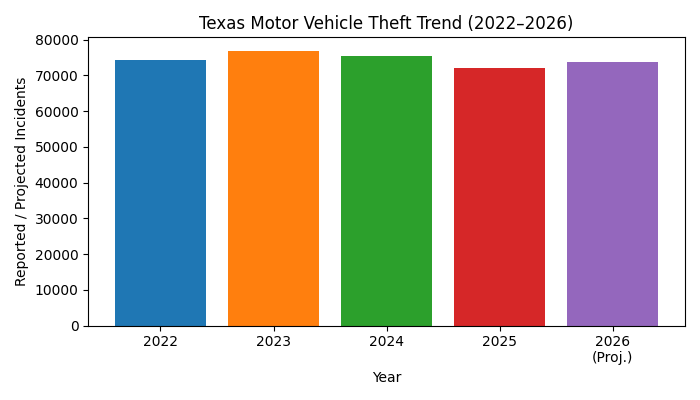
Reported motor vehicle theft incidents in Texas (illustrative trend based on publicly available annual crime reporting patterns). Always consult the latest Texas DPS Crime in Texas report for updated figures.
1. Always Lock Your Vehicle
It sounds simple, but many stolen vehicles were left unlocked. Before walking away from your car, make it a habit to:
- Lock all doors.
- Close all windows.
- Verify the trunk is secure.
- Check that your vehicle actually locked.
Many people rely on key fobs without confirming that the vehicle responded.
2. Never Leave Your Keys Inside
Leaving keys in the ignition even for a quick stop is one of the easiest ways to lose your vehicle. Avoid leaving:
- Keys in the cup holder
- Spare keys in the glove compartment
- Key fobs inside the vehicle
- Keys hidden under floor mats
Remember: criminals know all the common hiding spots.
3. Park in Well-Lit Areas
Location matters, so whenever possible, park in areas that are:
- Well lit
- Highly visible
- Covered by security cameras
- Frequently used by pedestrians
Burglars and vehicle thieves generally prefer privacy and speed. A visible parking space increases the chances of them being seen.
4. Don’t Leave Valuables in Plain Sight
Visible items can attract attention and encourage criminals to investigate further. Common targets include:
- Laptops
- Wallets
- Phones
- Bags
- Firearms
- Shopping bags
Even loose change can signal that additional valuables may be inside the vehicle.
5. Use a Steering Wheel Lock
Old-school security devices still work. Visible steering wheel locks:
- Increase the time needed to steal a vehicle.
- Act as a visual deterrent.
- Encourage thieves to move on.
The goal isn’t to make theft impossible, it’s to make your car less appealing than the one parked next to it.
6. Enable Your Vehicle’s Security Features
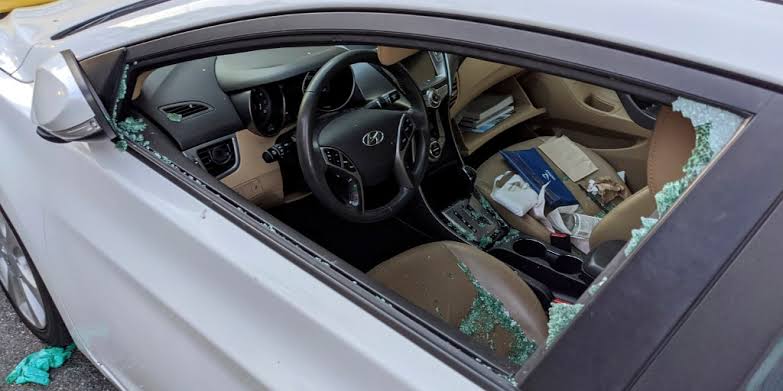
Many newer vehicles include built-in protections such as:
- Immobilizers
- Alarm systems
- GPS tracking
- Remote shutdown capabilities
- Theft alerts
Take time to understand the features available in your vehicle and ensure they’re enabled.
7. Be Careful With Keyless Entry Systems
Keyless entry systems are convenient, but they have introduced new risks. Some criminals use relay attacks to amplify signals from nearby key fobs.
To reduce risk:
- Store key fobs away from doors and windows.
- Consider RFID-blocking pouches.
- Disable passive entry features if possible.
Small changes can make a big difference.
8. Avoid Leaving Your Vehicle Running
It’s tempting to leave the engine running while:
- Picking up coffee
- Running into a convenience store
- Warming up the car
Unfortunately, these situations create easy opportunities for thieves. If you’re leaving the driver’s seat, turn off the vehicle and take your keys with you.
9. Install a GPS Tracker
A GPS tracker won’t prevent theft, but it can improve recovery efforts. Benefits include:
- Real-time location updates
- Faster recovery
- Mobile alerts
- Improved peace of mind
Some insurance providers may also offer discounts for vehicles equipped with tracking systems.
10. Secure Your Garage
Many homeowners focus on securing their homes while overlooking their garages. Remember to:
- Lock garage doors.
- Secure side entrances.
- Avoid leaving garage remotes in unlocked vehicles.
A secured garage protects not only your car but also tools, bicycles, and other valuable equipment.
11. Know the High-Risk Areas
Some locations experience higher rates of vehicle theft than others. Pay extra attention when parking in:
- Large shopping centers
- Event venues
- Airport parking lots
- Apartment complexes
- Isolated parking garages
Awareness doesn’t guarantee safety, but it can help you make smarter decisions.
12. Build a Daily Security Routine
The most effective security strategy is consistency. Create a simple checklist:
- Lock the vehicle.
- Remove valuables.
- Take your keys.
- Check windows.
- Verify alarms are active.
- Confirm tracking features are enabled.
These habits take less than a minute and can significantly reduce your risk.
Common Car Theft Myths
1. New Cars Can’t Be Stolen
Modern vehicles are safer, but no car is theft-proof.
2. It Won’t Happen in My Neighborhood
Vehicle theft affects communities of all sizes.
3. Thieves Only Target Expensive Cars
In many cases, criminals target vehicles based on accessibility rather than value.
Quick Car Security Checklist
Before leaving your vehicle, ask yourself:
- Did I lock all doors?
- Are my windows closed?
- Did I remove valuables?
- Do I have my keys?
- Is my vehicle parked in a visible area?
- Is the alarm active?
If the answer is “yes” to all six, you’ve already reduced your risk considerably.
Final Words
Vehicle theft can happen to anyone, but most thieves are looking for convenience rather than a specific target. An unlocked door, visible valuables, or keys left inside can quickly turn an ordinary day into a costly and stressful experience.
Fortunately, protecting your vehicle doesn’t require expensive upgrades or advanced technical knowledge. Simple habits, such as parking in well-lit areas, locking your car consistently, using visible deterrents, and understanding your vehicle’s built-in security features, can go a long way toward reducing your risk.
Ultimately, car security is about awareness and preparation. Taking a few extra moments before walking away from your vehicle can help protect your investment and provide greater peace of mind wherever the road takes you.