Imagine returning home after a weekend getaway only to find your front door ajar, drawers emptied, and valuable belongings missing. Unfortunately, this is a reality that thousands of families experience every year.
Home burglary remains one of the most common property crimes in the United States, and Texas is no exception. While many people assume burglars specifically target expensive homes or wealthy neighborhoods, the truth is often much simpler: most burglars look for easy opportunities. An unlocked window, poor lighting, or signs that no one is home can be enough to make a property an attractive target.
According to the Texas Department of Public Safety’s 2024 Crime in Texas report, there were 89,530 reported burglary and breaking-and-entering incidents across the state in 2025. Although that number represents a decline from previous years, burglary continues to affect communities of all sizes throughout Texas.
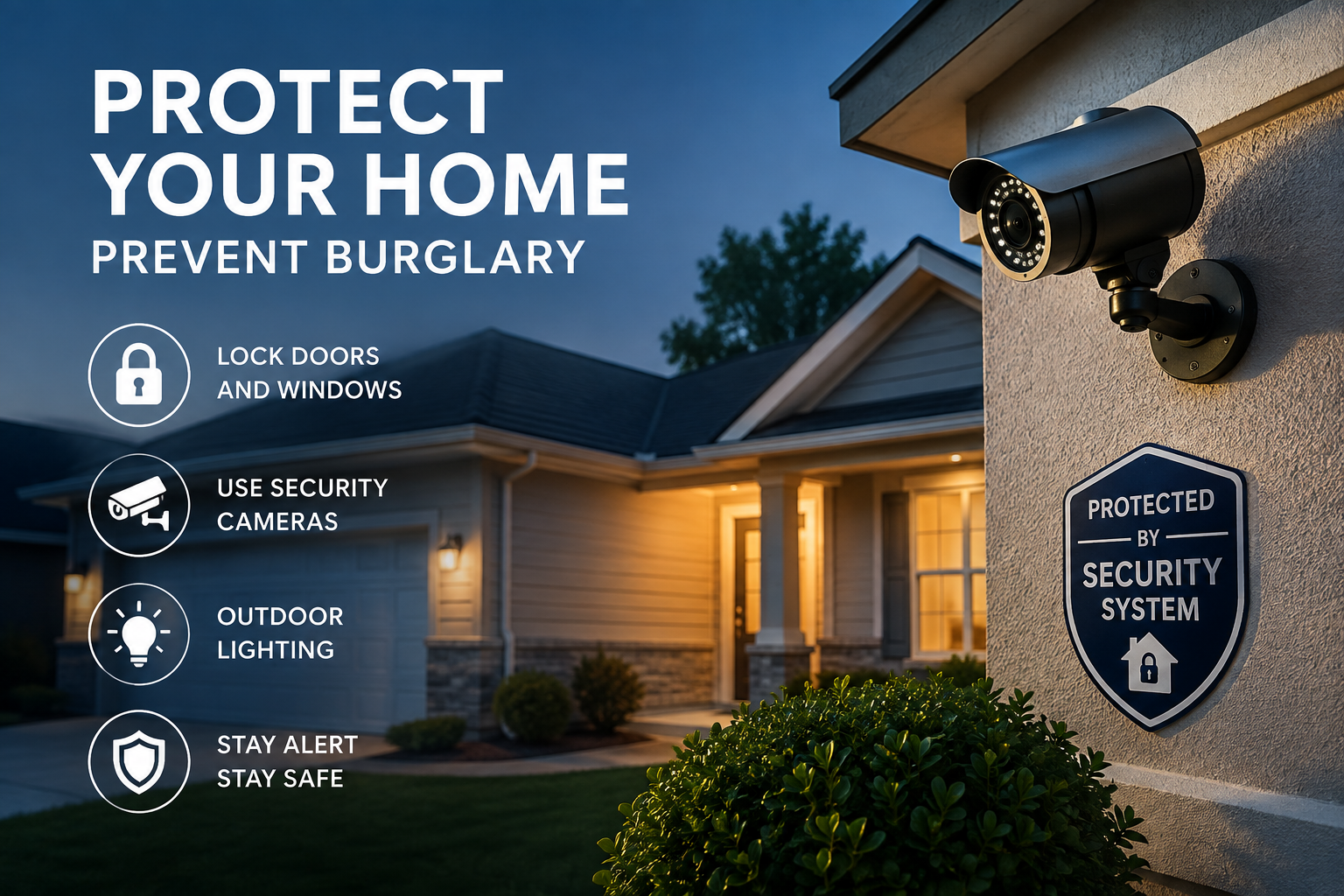
The good news is that many burglaries are preventable. By adopting a few simple habits and making strategic improvements to your home, you can significantly reduce your chances of becoming a victim.
In this guide, we’ll explore 10 practical and effective ways to protect your home from burglary and improve your overall peace of mind.

Reported burglary and breaking-and-entering incidents in Texas (2021–2024).
Source: Texas Department of Public Safety Report
10 Effective Ways to Protect Your Home From Burglary
1. Install Exterior Lighting
Burglars prefer to operate under the cover of darkness. A well-lit property immediately becomes a less appealing target. Consider installing:
- Motion-activated floodlights
- Front porch lighting
- Garage lights
- Backyard security lighting
- Pathway illumination
Motion lights are particularly effective because they draw attention to unexpected movement and can discourage potential intruders before they approach your home.
2. Always Lock Doors and Windows
It sounds obvious, but many burglaries occur through unlocked entry points. Before leaving home or going to bed, make it a habit to check:
- Front and back doors
- Garage entrances
- Sliding glass doors
- Ground-floor windows
- Basement windows
Investing in quality deadbolts and reinforcing door frames can add another layer of protection. Remember: a locked door may not stop every burglar, but it often encourages them to move on to an easier target.
3. Be Careful What You Share on Social Media
Posting vacation photos in real time might seem harmless, but it can unintentionally advertise that your home is empty. Instead of posting something like “Off to Cancun for a week!”, consider waiting until you return home before sharing travel updates and photos. This simple change can prevent strangers from learning when your property is unattended.
4. Install Security Cameras
Visible security cameras can serve as both a deterrent and a valuable source of evidence. Modern systems can provide:

- Real-time alerts
- Cloud storage
- Motion detection
- Night vision
- Mobile monitoring
Doorbell cameras have become particularly popular because they monitor one of the most common entry points while allowing homeowners to keep an eye on deliveries and visitors.
5. Keep Valuables Out of Sight
Leaving expensive items in plain view can attract unwanted attention. Try to keep the following out of sight from windows:
- Jewelry
- Cash
- Laptops
- Gaming consoles
- Firearms
- Televisions
- Important documents
Consider using a home safe for especially valuable or sensitive items.
6. Make Your Home Look Occupied
An empty-looking house can quickly become a target. If you’re away for an extended period:
- Use timers for lights.
- Ask a neighbor to collect mail.
- Park a vehicle in the driveway.
- Arrange for lawn maintenance.
- Keep blinds in their normal position.
Smart home devices can make this easier by automatically turning lights on and off throughout the day.
7. Strengthen Entry Points
Your home’s weakest points are often the first places burglars attempt to access. Consider upgrading:
- Door frames
- Strike plates
- Deadbolts
- Sliding door locks
- Window locks
Even small improvements, such as using longer screws in door hinges and strike plates, can make forced entry significantly more difficult.
8. Get to Know Your Neighbors
One of the best security systems isn’t electronic, it’s community awareness. Neighbors who know one another are more likely to:
- Notice suspicious activity
- Report unusual behavior
- Collect packages
- Keep an eye on empty homes
A simple neighborhood group chat or watch program can improve safety for everyone on the block.
9. Secure Garages and Outdoor Buildings
Garages, sheds, and storage units are frequently overlooked. These spaces often contain:
- Power tools
- Lawn equipment
- Bicycles
- Sporting equipment
- Automotive tools
Always keep these structures locked and avoid leaving garage doors open unnecessarily.
10. Develop a Home Security Routine
Consistency is one of the most effective security measures. Before leaving home, create a quick checklist:
- Lock all doors.
- Close windows.
- Turn on exterior lights.
- Activate alarms.
- Verify camera functionality.
- Store valuables securely.
A 60-second security check can dramatically reduce your vulnerability.
Common Burglary Myths
1: Burglars Only Target Wealthy Homes
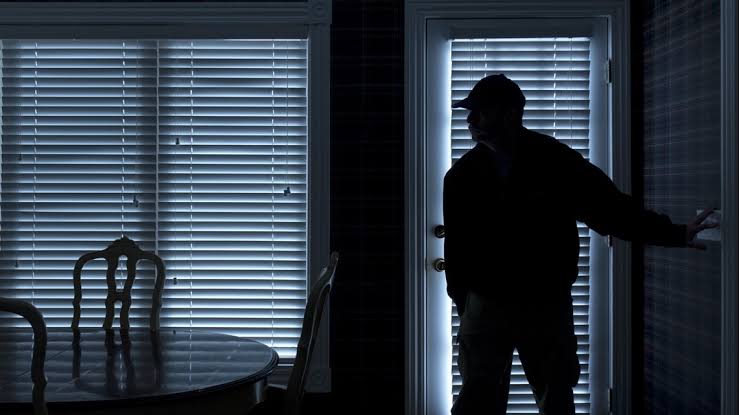
False. Burglars typically target homes that appear easy to access, regardless of value.
2: Safe Neighborhoods Don’t Experience Burglary
No neighborhood is completely immune to property crime. Even low-crime areas can experience opportunistic burglaries.
3: A Dog Is Enough Protection
Dogs can be effective deterrents, but they should be viewed as one part of a broader home security strategy.
Quick Home Security Checklist
Before heading out, ask yourself:
- Are all doors locked?
- Are windows secured?
- Are exterior lights functioning?
- Are valuables hidden?
- Are security cameras active?
- Is mail being collected?
- Does the house appear occupied?
If you answered “yes” to all of the above, you’re already ahead of many homeowners.
In Summary
Home burglary can happen in any neighborhood and to anyone, but most burglars are not carefully selecting their targets, they are looking for homes that appear easy to access. A property with poor lighting, unlocked entry points, or obvious signs that no one is home is often far more appealing than one with visible security measures and attentive homeowners. The more obstacles you place between a criminal and your property, the greater the chances that they will move on in search of an easier opportunity.
Fortunately, protecting your home doesn’t require expensive renovations or advanced technology. Simple habits, such as locking doors and windows, improving exterior lighting, being cautious about what you share online, and maintaining a consistent home security routine, can make a meaningful difference. Even small improvements, when practiced consistently, can significantly reduce your risk over time.
In general, home security is about preparation, awareness, and peace of mind. Taking a few proactive steps today can help safeguard your belongings, protect your loved ones, and provide greater confidence that your home remains a safe place for years to come.