Wildfires can move with frightening speed, a quiet day can quickly become an emergency when dry vegetation, strong winds and low humidity create the right conditions for fire to spread.
Texas is particularly exposed because of its enormous geographic size and varied landscape. From the Panhandle and West Texas grasslands to Central Texas ranch country, East Texas forests and rapidly growing communities near wildland areas, different parts of the state face different wildfire threats.
And you don’t have to live deep in the countryside to be affected.A wildfire can threaten Homes, Roads, Power infrastructure, Businesses, Farms and ranches, Wildlife, Air quality, and even entire communities. This is why is is very important that you Don’t wait until you can see flames to start preparing to leave, If authorities issue an evacuation order, leave promptly.
How Serious Is the Wildfire Risk in Texas?
Wildfire is a recurring natural hazard in Texas, According to the Texas A&M Forest Service, Texas averages approximately 10,000 wildfires each year, burning roughly 2 million acres annually.
Those numbers can vary substantially from year to year depending on rainfall, drought, vegetation and weather conditions. Some years are relatively quiet. Others can produce enormous wildfire outbreaks. Texas also has one of the largest areas of wildland-urban interface in the country, meaning communities increasingly overlap with areas containing vegetation capable of carrying wildfire. That creates a difficult combination: More people + more development + combustible vegetation = more opportunities for wildfire to affect homes and infrastructure.
What Causes Texas Wildfires?
Not every wildfire begins naturally, as many are caused by human activity. Common ignition sources include:
- Debris burning
- Discarded cigarettes
- Power infrastructure
- Outdoor equipment
- Vehicle-related ignition
- Lightning
- Agricultural activities
- Campfires
- Equipment sparks
A single ignition source may not create a major fire under normal conditions. But when vegetation is extremely dry and winds are strong, that same ignition can become dangerous very quickly.
Why Do Wildfires Spread So Quickly?
Three major factors influence wildfire behavior:
Fuel: Dry grass, leaves, brush, trees and other vegetation provide fuel.
Weather: High temperatures, low humidity and strong winds can accelerate fire growth.
Terrain: Fire can move rapidly uphill because heat rises and preheats vegetation above the flames.
Together, these factors can create explosive fire behavior.
The Texas Wildfire Triangle
A simple way to understand wildfire risk is:
FUEL + WEATHER + IGNITION = FIRE RISK
But when conditions become extreme:
DRY VEGETATION + WIND + LOW HUMIDITY
can turn a relatively small fire into a rapidly spreading emergency.
What Is a Red Flag Warning?
A Red Flag Warning is issued when critical fire-weather conditions are occurring or expected. It generally means that:
- Dry fuels are present
- Winds are strong
- Relative humidity is low
- Fires can start easily
- Existing fires can spread rapidly
A Red Flag Warning is not the same thing as a wildfire evacuation order. It means the conditions are favorable for dangerous fire behavior. The National Weather Service uses Red Flag Warnings to alert communities and emergency managers to critical fire-weather conditions. When one is issued; Take fire prevention seriously and avoid unnecessary outdoor burning and follow local restrictions.
What Is a Fire Weather Watch?
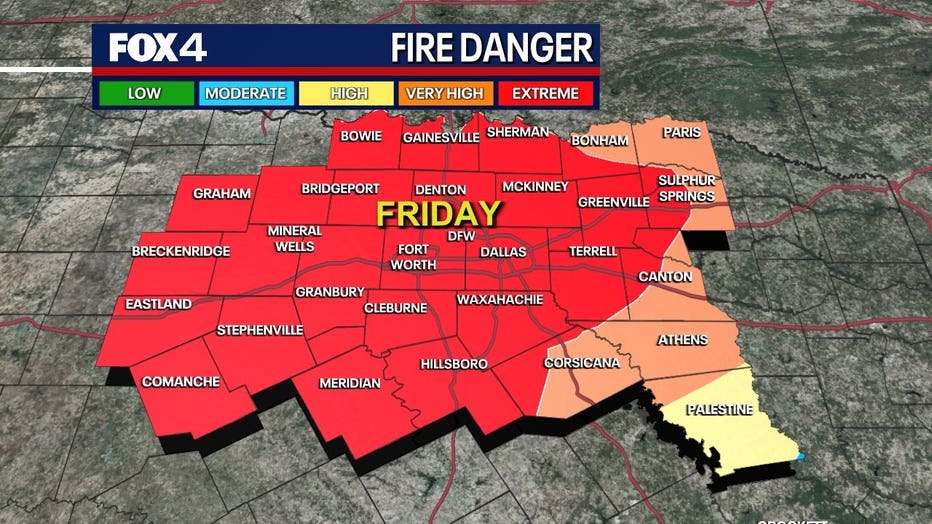
A Fire Weather Watch means conditions could become favorable for critical fire weather. Think of it as a prepare and pay attention signal.
A Red Flag Warning is more of an immediate Critical fire weather is occurring or expected. So therefore it is important that you always follow the specific guidance from your local National Weather Service office.
Another think to not is that Texas Wildfire Risk Isn’t the Same Everywhere, as the state of Texas is enormous, so wildfire behavior differs by region. Here is an overlook of what different regions in the state should expect and look out for.
Panhandle
The Panhandle can experience fast-moving grass and wildfire events because of:
- Dry grass
- Strong winds
- Open terrain
- Drought
West Texas
Dry conditions and grassland vegetation can create significant wildfire potential.
Central Texas
The Hill Country contains substantial vegetation and rugged terrain, creating challenges for firefighters and evacuation planners.
East Texas
Forested areas contain different fuel types, including:
- Pine
- Hardwood
- Brush
- Leaf litter
The fire may behave differently from a grass fire in West Texas.
Embers Can Be More Dangerous Than Flames
Many people imagine a wildfire as a wall of flames approaching a house. In reality, burning embers can travel through the air and ignite structures ahead of the main fire. They can enter through:
- Roof gaps
- Vents
- Open windows
- Chimneys
- Attic spaces
And ignite Dry leaves, Mulch, Outdoor furniture, Wood piles, or sometimes Fences. That’s why home wildfire preparation isn’t just about creating a giant empty space around the building. It is also about reducing places where embers can land and ignite.
Create a Defensible Space Around Your Home
A defensible space is an area around a structure where vegetation and combustible materials are managed to reduce wildfire intensity and help firefighters defend the property. Depending on local guidance, this may involve:
- Removing dead vegetation
- Trimming branches
- Clearing accumulated leaves
- Moving firewood away from the house
- Maintaining vegetation
- Cleaning gutters
- Managing combustible landscaping
The exact requirements depend on local conditions and regulations.
Start With the Roof: Your roof is one of the most important parts of the house during a wildfire. Keep it free from Dry leaves, Pine needles and even Debris. Accumulated vegetation can provide an easy ignition source when embers land on the roof.
Clean Your Gutters: Gutters filled with dry leaves and pine needles can become ember traps. Clean them regularly, particularly during periods of elevated wildfire risk.
Maintain Trees Around the Property: Remove dead or damaged branches where appropriate. Try as much as possible to keep branches from creating a direct combustible pathway toward structures. Don’t attempt dangerous tree work yourself if it requires specialized equipment or creates a serious fall risk.
Move Combustible Materials: Don’t store large quantities of firewood immediately beside your house. Also consider where you place:
- Propane tanks
- Gasoline
- Outdoor furniture
- Trash bins
- Wooden structures
These can become fuel during a wildfire.
Keep Your Address Visible: This sounds minor. It isn’t. During an emergency, firefighters and other responders need to identify properties quickly. Make sure your house number is: Visible, readable, and accessible from the road.
Prepare Your Evacuation Plan Before Fire Arrives: Every household should know:
- Where will we go?
- Which route will we take?
- What if that route is blocked?
- Where are the pets going?
- Who needs extra assistance?
- Where are medications and important documents?
Don’t wait until smoke is filling the neighborhood to answer these questions.
Have Multiple Evacuation Routes: A wildfire can close a road unexpectedly. So don’t rely on a single route. Identify at least: Route A and Route B, then where practical another Route C. Your alternatives should move away from likely fire paths rather than simply taking parallel roads.
What to Pack in a Wildfire Go-Bag
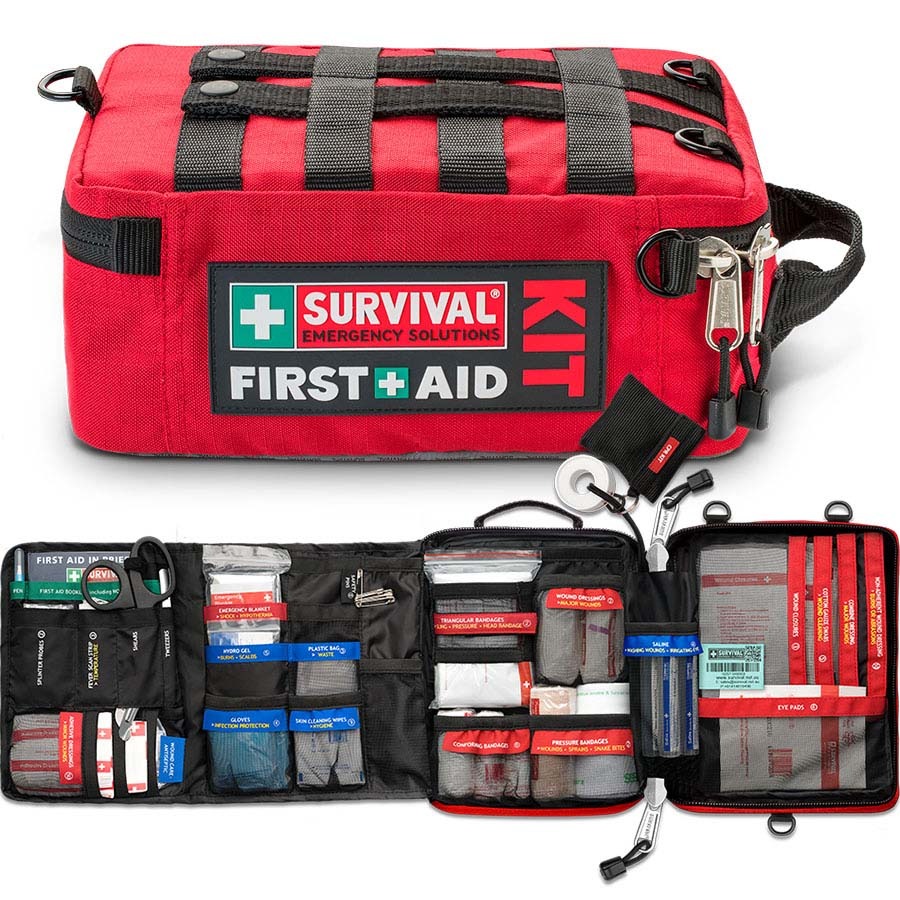
Keep essential items where they can be grabbed quickly. Important documents
- Identification
- Insurance information
- Medical records
- Property documents
Electronics
- Phone
- Charger
- Power bank
Health
- Medication
- Prescription information
- First-aid supplies
Basic necessities
- Water
- Snacks
- Clothing
- Hygiene supplies
- Flashlight
Pets
- Carrier
- Leash
- Food
- Water
- Medication
- Veterinary records
Don’t Forget Your Vehicle
During wildfire season, keep your vehicle ready. Maintain:
- Adequate fuel
- Proper tire pressure
- Working lights
- Good brakes
- Functional battery
If evacuation becomes necessary, you don’t want your vehicle to become another emergency.
What If an Evacuation Order Is Issued?
The smart and only logical thing to do in a case of emergency excavationorder is to leave. This is one of the most important rules in the article. Don’t wait to see how close the fire gets. Wildfires can change direction quickly because of:
- Wind shifts
- Terrain
- New ignitions
- Burning vegetation
If officials tell you to evacuate, then I Eddie tell Take your go-bag, Take your pets., Follow designated routes., Leave early enough to avoid congestion, and Don’t return until authorities say it is safe.
Evacuation Order vs. Evacuation Warning
These terms can vary between jurisdictions, but generally:
Evacuation Warning: You should prepare to leave and be ready to act.
Evacuation Order: You are being instructed to leave.
Don’t interpret a warning as permission to ignore the situation. Use the warning period to get ready before you’re forced to make decisions under pressure.
What If You’re Driving and Encounter a Wildfire?
This is a critical situation, and If smoke begins reducing visibility then follow these procedures immediately:
•Slow down.
•Turn on headlights.
•Increase following distance.
•Avoid driving into dense smoke.
•Look for official road closures.
•Follow police/firefighter instructions.
But if you can see that the road ahead is visibly threatened by fire, then Do not continue toward it, instead turn around if it can be done safely. Alwsys keep thsi in mind; Never Drive Through Flames, although this should be obvious, people can underestimate fire behavior. A road can appear passable while flames are burning nearby. Fire can:
- Cross roads
- Drop branches
- Produce intense heat
- Create smoke that destroys visibility
- Cause sudden wind changes
If emergency personnel are directing traffic away from an area, then Follow them.
What About Smoke?
Wildfire smoke can travel far beyond the fire itself. You may be nowhere near the flames and still experience dangerous air quality. Smoke contains fine particles and gases that can irritate the Eyes, Nose, Throat, Lungs. And people with respiratory or cardiovascular conditions can be particularly vulnerable.
So therefore it is very important that you protect yourself from Wildfire Smoke, and if the smoke levels are unhealthy:
- Stay indoors when possible.
- Keep windows and doors closed.
- Use appropriate indoor air filtration.
- Avoid strenuous outdoor activity.
- Monitor local air-quality information.
A properly fitted N95 or similar particulate respirator can reduce inhalation of fine particles when used correctly. Cloth masks are not equivalent protection against fine particulate wildfire smoke.
But also be very careful and watchful, Don’t Assume an Indoor Space Is Automatically Safe as Smoke can enter buildings through Doors, Windows, Ventilation systems or any little Gap at all. If outdoor air quality deteriorates, reducing the amount of outdoor air entering the building can help. Use your HVAC system’s filtration capabilities where appropriate.
What If You’re in a Car During Heavy Smoke?
If driving conditions remain safe:
- Keep windows closed.
- Use the vehicle’s recirculation setting.
- Avoid unnecessary travel.
- Follow official road instructions.
If visibility becomes dangerously poor, then get off the road safely. A car is not a substitute for an evacuation plan.
Wildfire and Power Outages
A wildfire can damage Transmission lines, Distribution lines, Substations, and Communication infrastructure, which can therefore easily affect the entire city’s power distribution source and cause widespread outages, which is why it is important tagt you keep handy equipments like Power banks, Flashlights and Battery-powered radios on standby at all times so they are readily available in such extreme situations like this.
What About Propane Tanks?
Propane and other fuel sources require special attention. Never attempt to move a damaged or compromised propane tank yourself. If authorities provide instructions about gas or propane systems during evacuation, follow them.
What If You Can’t Evacuate?
This is why early evacuation matters. If you become trapped by a rapidly approaching wildfire: Call 911 immediately and Tell the emergency responders:
- Your exact location
- Number of people
- Any disabilities or medical needs
- Whether children are present
- Whether pets are present
Follow instructions from emergency personnel. Do not attempt to outrun a rapidly advancing fire on foot unless instructed and a safe escape route is clearly available.
Wildfire Safety for Children
Children may not understand how quickly wildfire conditions can change. Teach them:
- What an evacuation alert means
- Where the family will meet
- Who they should contact
- Not to hide from firefighters
- Not to return home for belongings
Make the evacuation plan simple enough for a child to remember.
Wildfire Safety for Older Adults
Older adults may need additional evacuation planning because of:
- Mobility limitations
- Medication requirements
- Transportation needs
- Medical equipment
Don’t wait for emergency services to become overwhelmed. Arrange transportation ahead of time if necessary.
Wildfire Safety for Pets
Pets often become overlooked during emergencies. Keep carriers and leashes accessible. Have:
- Food
- Water
- Medication
- Veterinary records
- Identification information
ready to go. Never assume you’ll have time to search the house for your pet once evacuation begins.
What NOT to Do During a Wildfire
- Don’t wait until flames are visible before preparing.
- Don’t ignore evacuation orders.
- Don’t block evacuation routes.
- Don’t drive through flames.
- Don’t drive into dense smoke.
- Don’t return home without authorization.
- Don’t burn vegetation during dangerous fire-weather conditions.
- Don’t leave pets behind.
- Don’t rely on a single evacuation route.
- Don’t assume your property is safe because the fire is still several miles away.
Wildfire Prevention: What Residents Can Do
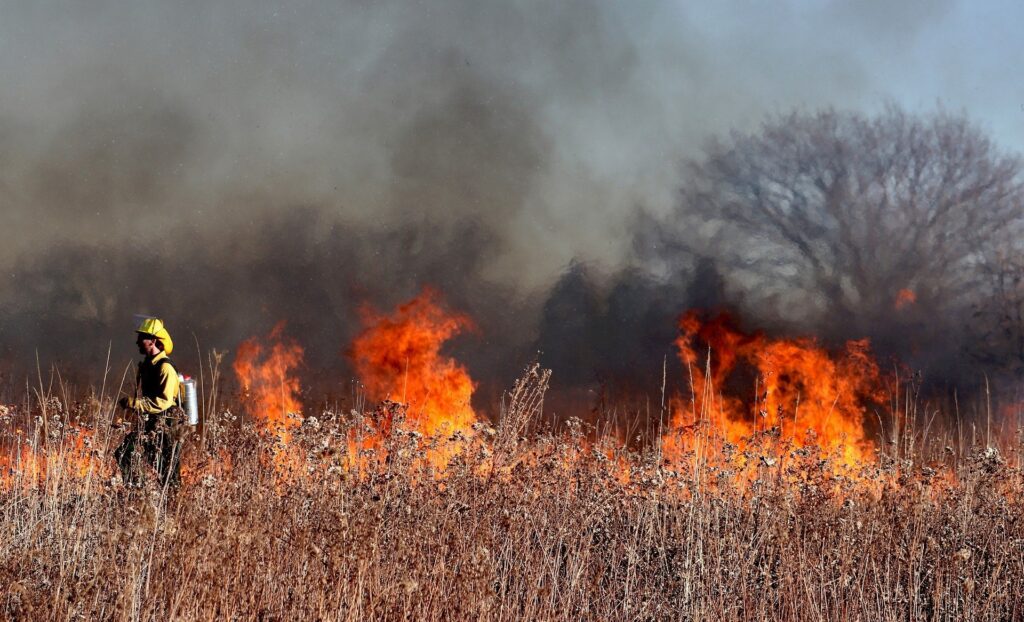
Wildfire safety isn’t only about surviving an existing fire. You can also reduce the chance of starting one. During high-risk conditions; Avoid unnecessary outdoor burning, Follow burn bans, Maintain equipment, Don’t throw cigarettes onto dry vegetation, Keep vehicles away from extremely dry grass when possible, Use spark-producing equipment carefully, Monitor local fire restrictions. The Texas A&M Forest Service provides wildfire and burn information for Texans.
This is why we have laws against cases with What Is called a Burn Ban. A county burn ban restricts certain outdoor burning activities when conditions make wildfire ignition and spread more likely. Restrictions vary. Don’t assume that because you’re allowed to burn under normal conditions, you can burn during a county burn ban. Check your county’s current restrictions.
Wildfire and Fire Weather: What to Watch
Several conditions can increase wildfire risk:
- High temperatures
- Strong winds
- Low humidity
- Dry vegetation
- Drought
When several occur simultaneously, fire behavior can become much more aggressive.
Texas Wildfire Statistics
A strong statistics box for the article:
| Indicator | Texas |
| Average wildfires annually | ~10,000 |
| Average acres burned annually | ~2 million |
| Major wildfire drivers | Weather, fuel & ignition |
| Fire season | Can occur year-round |
| Key high-risk conditions | Wind + dry fuel + low humidity |
The Texas A&M Forest Service reports the approximately 10,000 fires / 2 million acres annually figures. Because wildfire activity changes dramatically from year to year, annual totals should be treated as averages rather than predictions.
The Growing Importance of the Wildland-Urban Interface
Texas continues to experience population growth and development. As communities expand into areas containing grass, brush and forest vegetation, more homes can end up close to wildfire fuels. That creates an important public-safety challenge as Wildfire isn’t only a forest problem, It can become a neighborhood problem.
What Happens After a Wildfire?
Even after the flames disappear, hazards remain, be cautious around:
- Unstable structures
- Burned trees
- Hot ash
- Downed power lines
- Damaged roads
- Gas leaks
- Contaminated water
- Ash and debris
Never assume an area is safe simply because the fire appears to be out. Only return when authorities say it is safe. Once home:
- Check for structural damage.
- Look for smoldering areas.
- Watch for downed power lines.
- Check gas systems carefully.
- Don’t disturb hazardous debris.
- Photograph damage for insurance.
- Contact your insurer.
If the home has significant structural damage, don’t enter unless authorities or qualified professionals have determined it is safe.
Texas Wildfire Emergency Checklist
Before wildfire season:
☐ Create an evacuation plan
☐ Identify multiple routes
☐ Prepare a go-bag
☐ Maintain your property
☐ Clean gutters
☐ Remove dead vegetation
☐ Keep important documents accessible
☐ Prepare for pets
☐ Maintain your vehicle
When fire danger rises
☐ Monitor fire-weather alerts
☐ Follow burn restrictions
☐ Avoid unnecessary outdoor burning
☐ Keep your vehicle fueled
☐ Keep phones charged
When an evacuation warning is issued
☐ Pack immediately
☐ Move pets into carriers
☐ Secure important documents
☐ Monitor official instructions
☐ Be prepared to leave
When an evacuation order is issued
☐ Leave immediately
☐ Follow designated routes
☐ Don’t block emergency vehicles
☐ Don’t return until authorities say it’s safe
Frequently Asked Questions
Does Texas have wildfires year-round?
Yes. While wildfire activity varies seasonally and geographically, Texas can experience wildfire throughout the year.
What causes most Texas wildfires?
Causes vary by location and year, but human activity is responsible for many wildfire ignitions, alongside natural causes such as lightning.
What is a Red Flag Warning?
It’s a National Weather Service warning indicating that critical fire-weather conditions are occurring or expected, meaning fires can start easily and spread rapidly.
Should I evacuate if officials tell me to?
Yes. Follow official evacuation orders and leave as early as practical.
Can wildfire smoke affect people far from the fire?
Absolutely. Smoke can travel considerable distances and degrade air quality well beyond the immediate fire zone.
Should I drive through smoke?
Avoid it whenever possible. Dense smoke can dramatically reduce visibility and create dangerous driving conditions.
What if I can’t see flames near my house?
That doesn’t necessarily mean you’re safe. Embers can travel ahead of the main fire and changing winds can alter the fire’s direction.
Can I use a generator after a wildfire?
Yes, but only if operated safely. Never operate a fuel-burning generator indoors or in an enclosed space because of carbon-monoxide poisoning risk.
Should I return home after the fire passes?
Only after authorities have confirmed that the area is safe for residents to return.