
Crime has changed dramatically. A crime that once required a suspect to physically enter a building can now be committed from another country. A stolen vehicle can cross multiple jurisdictions within hours. Fraudsters can target thousands of victims simultaneously. Criminal organizations can communicate through encrypted platforms, move money digitally and use increasingly sophisticated technology to conceal their activities.
Texas law enforcement has had to adapt accordingly. Police departments and state agencies are increasingly combining traditional policing with data analysis, surveillance technology, digital forensics, specialized investigative units and real-time information sharing. The transformation is happening while overall crime is actually moving in the opposite direction.
According to the Texas Department of Public Safety’s latest full-year Crime in Texas report, violent crime volume fell 11.89% from 2024 to 2025, while the violent-crime rate fell 13.19%. Property-crime volume declined 12.01%, and the property-crime rate fell 13.31%. Texas’ overall crime rate has also continued to fall after reaching a five-year peak in 2022. DPS data shows declines of 3.3% in 2023, 8.2% in 2024 and approximately 13% in 2025.
That doesn’t mean technology alone caused the decline. Crime trends are influenced by many factors, including demographics, economic conditions, policing strategies, reporting behavior and community programs. But it does show why modern law enforcement is increasingly focused on using information faster and more intelligently.
What Does “Modern Policing” Mean?
Modern policing doesn’t mean replacing police officers with robots. Instead, it means giving officers better information and investigative tools. Traditional policing might look like:
911 call → Officer responds → Investigation → Evidence collected → Suspect identified
Modern policing increasingly adds another layer:
911 call → Data analysis → Cameras/sensors → Real-time intelligence → Digital evidence → Investigative leads → Officer response
Technology can therefore function as a force multiplier. One investigator can search thousands of records. One camera network can identify a vehicle traveling through multiple locations. One digital-forensics examination can reveal communications, financial transactions and other evidence that may not exist in the physical world.
1. Real-Time Crime Centers
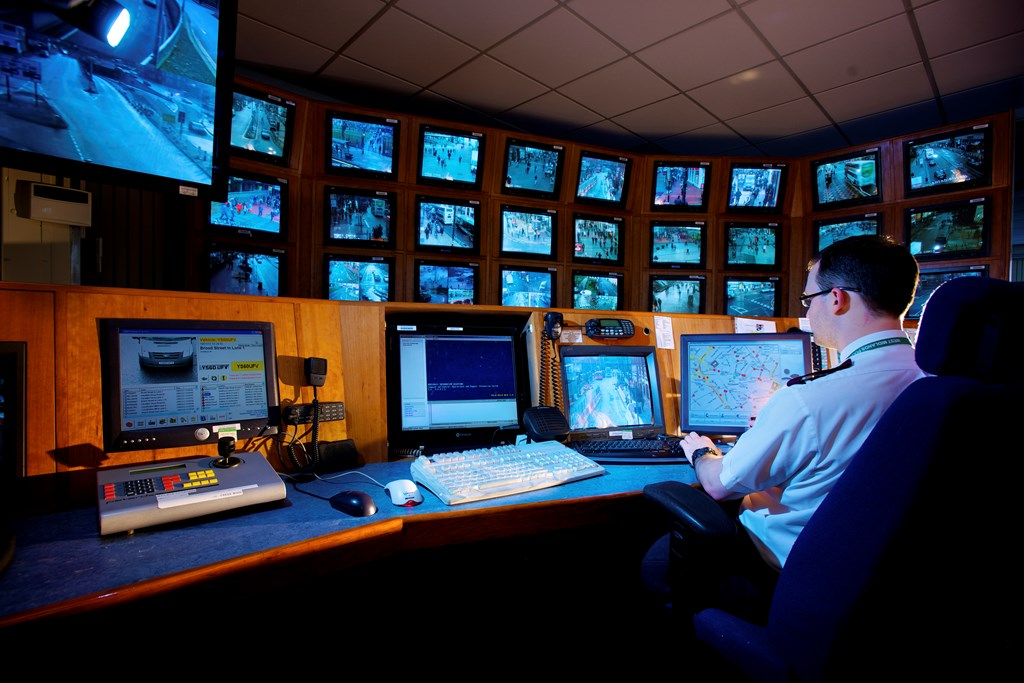
One of the most important developments in modern policing is the Real-Time Crime Center (RTCC). Think of an RTCC as a law-enforcement information hub. Instead of officers operating with only what they see when they arrive at a scene, analysts can provide additional information while an incident is still unfolding. For example:
- 911 call
- RTCC receives incident information
- Analysts check available cameras and databases
- Possible suspect/vehicle identified
- Information sent to responding officers
- Officers respond with better situational awareness
Houston Police Department operates a Real Time Crime Center that continuously monitors priority calls and provides situational awareness to department leadership and responding operations. The city has also continued upgrading its command-center capabilities as part of its broader technology strategy.
2. Austin Is Using Data and Real-Time Intelligence
Austin is another example of the shift toward technology-assisted policing. The Austin Police Department has positions specifically dedicated to real-time crime-center operations. A 2026 APD job description describes the role as monitoring and analyzing information in real time using H.A.L.O. cameras, data analytics and other intelligence tools to support investigations and situational awareness. Austin’s FY2025-26 technology plans have also included investments involving:
- Body-worn camera systems
- Drones
- AI-assisted report writing
- Transcription
- FUSUS technology
- Data-analysis platforms
- Other technology infrastructure
The city’s budget documents describe these investments as ways to improve operational capabilities and efficiency.
3. Automated License Plate Readers
You may have seen these cameras without realizing what they are. Automated License Plate Readers (ALPRs) use cameras and software to capture information about passing vehicles. Depending on the system, they can help identify:
- License plates
- Vehicle make
- Vehicle model
- Vehicle color
- Location
- Time of observation
This can become extremely useful when investigators know that a suspect vehicle was involved in a crime. Instead of asking “Where is the suspect?”, investigators may be able to ask “Where has this vehicle been?”
How ALPRs Can Help Solve Crimes
Imagine a robbery occurs at 9:15 p.m. Witnesses provide investigators with a partial description of the getaway vehicle. An ALPR system may provide a lead showing that a matching vehicle passed a nearby location shortly after the crime. Investigators can then combine that information with:
- Witness statements
- CCTV footage
- Registration records
- Other evidence
The camera doesn’t necessarily solve the crime by itself, but rather it produces a potential lead which can then be followed up for further investigation and possibly finding the vehicle. That distinction along is super important, as it makes all the difference
Texas Is Expanding ALPR Use
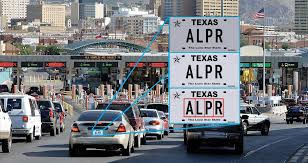
ALPR technology has expanded significantly across Texas. Bexar County, for example, has installed Flock cameras in high-crime areas, with local reporting documenting 35 cameras installed since May 2025. Authorities say the technology has generated investigative leads in cases including robberies, homicides and vehicle thefts.
Frisco Police also publicly identifies ALPRs, drones and a real-time crime-center platform among the technologies it uses for public safety. The department says it is pairing those tools with transparency measures.
But There’s a Major Debate Around ALPRs
Technology that helps police solve crimes can also create legitimate privacy concerns. A camera that records vehicles doesn’t know whether the person driving is:
- A suspect
- A victim
- A witness
- A completely uninvolved citizen
That creates questions about:
- How long data is stored
- Who can access it
- When searches are permitted
- Whether agencies can share information
- How misuse is detected
Recent controversies in Texas have made these questions particularly relevant. For example, agencies in the Houston region have faced criticism and investigations involving alleged misuse of Flock systems. The lesson isn’t that ALPRs are automatically good or bad. It is that powerful surveillance technology requires equally strong oversight.
4. Body-Worn Cameras
Body cameras have become an important part of modern policing. They can capture:
- Traffic stops
- Arrests
- Use-of-force incidents
- Interviews
- Public interactions
- Crime scenes
This can provide investigators with evidence that may otherwise depend entirely on conflicting accounts. Body cameras can therefore serve two purposes:
Evidence collection and Accountability.
But they also create enormous amounts of data. Modern police departments may have thousands or potentially millions of hours of footage to store, manage and review. That’s where newer AI-assisted tools are beginning to become relevant.
5. Artificial Intelligence and Police Work
AI is beginning to influence policing in several ways. Potential applications include:
- Transcribing body-camera footage
- Searching large datasets
- Organizing reports
- Identifying patterns
- Reviewing video
- Connecting pieces of investigative information
- Assisting administrative work
But there is an important distinction, AI-assisted policing doesn’t mean AI should decide who is guilty. Technology can help officers process information. Human investigators still need to evaluate:
- Context
- Accuracy
- Reliability
- Evidence
- Legal requirements
6. Drones Are Becoming Police Tools
Drones can provide aerial visibility without immediately putting an officer into a potentially dangerous environment. They can be useful for:
- Missing-person searches
- Large events
- Search-and-rescue operations
- Suspect searches
- Traffic incidents
- Disaster response
- Difficult terrain
Houston, for example, has expanded drone capabilities as part of its public-safety technology planning. Drones are particularly valuable because they can give officers a bird’s-eye view of an incident in situations where ground visibility is limited.
7. Digital Forensics
Modern criminals leave digital footprints. A suspect may communicate through:
- Smartphones
- Computers
- Messaging applications
- Social media
- Cloud accounts
- Cryptocurrency platforms
Even when criminals attempt to delete information, investigators may sometimes recover useful digital evidence. Texas DPS has a dedicated Computer Information Technology and Electronic Crime (CITEC) Unit. The unit investigates crimes involving computers and the internet and specializes in forensic recovery of digital evidence from computers and electronic media. Investigations can include:
- Network intrusions
- Hacking
- Identity theft
- Online fraud
- Denial-of-service attacks
- Electronic threats
- Digital evidence recovery
8. Cybercrime Requires Specialized Investigators
Traditional detectives aren’t necessarily equipped to investigate every modern cybercrime. That’s why specialized units have become increasingly important. Texas DPS’s Criminal Investigations Division includes investigative-support specialists with expertise in areas such as:
- Computer forensics
- Electronic surveillance
- Polygraph examinations
- Specialized investigative support
The division also works with local, state and federal agencies on organized crime, violent offenders, trafficking, fraud and other serious offenses. This creates a much broader investigative network than a single police department operating independently.
9. Fighting Organized Crime With Intelligence
Texas has another unique challenge; Its size and geography make it important to organized criminal networks. Texas DPS says its organized-crime investigators target criminal enterprises including:
- Drug trafficking organizations
- Gangs
- Human-smuggling networks
- Human-trafficking organizations
- Other criminal enterprises
The department works with other agencies rather than treating these networks as isolated local crimes. Modern organized-crime investigations increasingly involve following People, money, communications, vehicles and further digital evidence.
10. Financial Intelligence
Modern criminals don’t always steal physical cash. Money can move through:
- Bank accounts
- Payment applications
- Cryptocurrency
- Shell companies
- Online marketplaces
- Fraudulent businesses
Financial investigations therefore increasingly become part of criminal investigations. A suspect’s financial activity can help investigators establish:
- Where money came from
- Where it went
- Who controlled it
- Whether transactions were connected
This is particularly important for:
- Fraud
- Money laundering
- Drug trafficking
- Human trafficking
- Organized crime
11. Crime Mapping and Data Analytics
Police departments increasingly use data to understand where and when crime occurs. Instead of simply looking at yesterday’s incidents, analysts can examine:
- Crime locations
- Time of day
- Offense type
- Repeat locations
- Victim patterns
- Seasonal trends
This can influence deployment. For example:
If burglaries repeatedly occur around a particular commercial area during specific hours, a department may adjust patrol patterns accordingly.
Data Doesn’t Replace Police Officers because although data can tell officers where problems appear to be occurring, It cannot completely explain why they are occurring. Human judgment remains essential. Poor-quality data can also produce poor conclusions. That’s why responsible data-driven policing requires continual evaluation.
12. Texas Police Are Also Using Information Sharing
Criminals don’t respect jurisdictional boundaries. A suspect can commit a crime in Houston, Katy, Dallas or even Oklahoma, and potentially cross several jurisdictions quickly. Law enforcement agencies therefore rely heavily on information-sharing systems. Texas DPS operates systems that allow authorized agencies to access criminal-history information, sex-offender information and other investigative resources. This can help investigators connect cases that might otherwise appear unrelated.
13. Texas Is Building Stronger Cybersecurity Infrastructure
The state itself is also treating technology security as a public-safety issue. In January 2026, Texas designated the Texas Cyber Command as the state’s primary entity responsible for maintaining the list of prohibited technologies under relevant executive orders and state policies. That illustrates an important shift: Modern public safety isn’t only about stopping criminals. It’s also about protecting the digital infrastructure that governments and law-enforcement agencies depend upon.
14. Modern Policing Is Becoming More Preventive
Traditional policing often focuses heavily on responding after a crime occurs. Modern approaches increasingly attempt to identify problems earlier. That might involve:
- Identifying repeat crime locations
- Monitoring patterns
- Targeting organized networks
- Identifying stolen vehicles
- Sharing intelligence
- Detecting threats
- Using cameras to generate investigative leads
The objective is to move from; a crime happened, now investigate it, toward; where are risks developing, and how can we intervene earlier?
Does Technology Actually Reduce Crime?
This is where we need to be careful. It would be misleading to say: “Technology caused Texas crime to fall.” The available evidence doesn’t establish that. What we can say is that Texas crime has fallen substantially while departments have simultaneously expanded their use of data, specialized investigations and technology.
DPS recorded a 13.19% decline in the violent-crime rate and a 13.31% decline in the property-crime rate between 2024 and 2025. Texas’ overall crime rate also fell approximately 13% from 2024 to 2025, following declines in the previous two years. But crime reduction has many contributing factors. Technology should therefore be viewed as one component of a much larger public-safety system.
Texas Crime Is Moving Downward
The recent numbers are significant:
| Measure | 2024 → 2025 |
| Violent crime volume | ↓ 11.89% |
| Violent crime rate | ↓ 13.19% |
| Property crime volume | ↓ 12.01% |
| Property crime rate | ↓ 13.31% |
| Motor vehicle theft volume | ↓ 23.94% |
| Burglary volume | ↓ 12.61% |
| Robbery volume | ↓ 17.25% |
DPS’s five-year data also shows violent crime volume in 2025 was 18.27% below 2021, while property-crime volume was 10.95% below 2021.
The Privacy Question
The more technology police use, the more important the question becomes: Who watches the watchers? Modern surveillance systems can be powerful. But power without safeguards creates risks. Concerns surrounding law-enforcement technology include:
- Privacy
- Data retention
- Unauthorized searches
- Misidentification
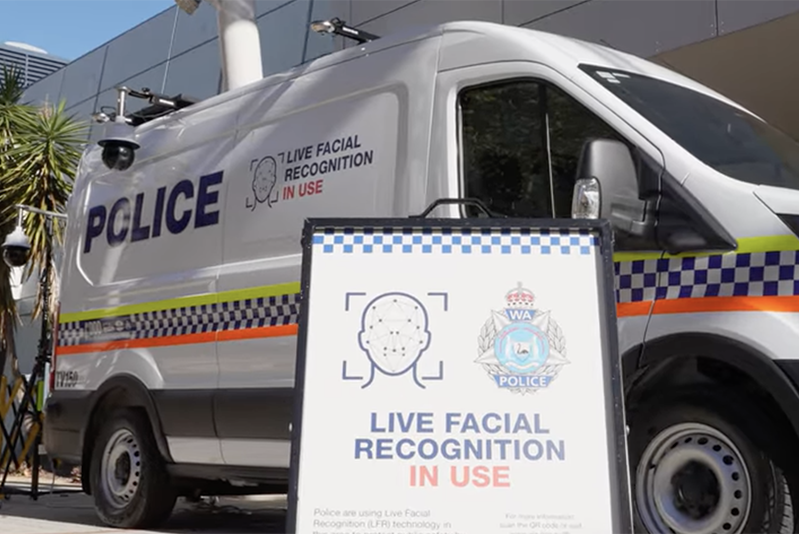
- Facial recognition errors
- Data sharing
- Cybersecurity
- Lack of transparency
Recent disputes over ALPR systems in Texas demonstrate that these concerns aren’t theoretical. Some communities are demanding stronger policies governing access, retention and auditing of surveillance data.
The Future of Texas Policing
Over the next several years, expect Texas law enforcement to become even more technology-dependent. Likely areas of continued development include:
Artificial intelligence
AI-assisted analysis, transcription and information processing.
Drones
More aerial surveillance and first-response capabilities.
Real-time crime centers
Greater integration of cameras, emergency calls and data.
Digital forensics
More sophisticated examination of phones, computers and online accounts.
Automated vehicle identification
Expanded use and continued debate around ALPR systems.
Cybercrime units
Greater specialization as criminals move further into digital environments.
Interagency intelligence
More information sharing between local, state and federal agencies. But Technology Won’t Replace the Police Officer This may be the biggest misconception surrounding modern policing. Technology can: Detect, Analyze, Record, Alert and Connect.
But an officer still has to interpret circumstances, interact with people, make decisions and operate within the law. The future of policing is therefore unlikely to be “technology instead of officers.” It is more accurately: Technology + trained officers + data + community cooperation.
What This Means for Texas Residents
For ordinary Texans, modern policing can have several practical effects. You may encounter:
- More cameras
- More automated license-plate readers
- More police drones
- More digital evidence collection
- More data-driven patrol deployment
- More sophisticated cybercrime investigations
- More real-time crime information
At the same time, residents should remain aware of their privacy rights and understand how surveillance technologies are being used in their communities.
What Can Texans Do to Help Modern Policing Work?
Technology works best when combined with good information from the public. Residents can help by:
- Reporting crimes promptly
- Preserving digital evidence
- Providing accurate descriptions
- Reporting suspicious activity
- Securing security-camera footage
- Avoiding confrontation with suspected criminals
- Cooperating with legitimate investigations
- Learning about local emergency systems
A doorbell camera, for example, may provide investigators with useful evidence after a neighborhood crime.
Modern Crime Requires Modern Cooperation
The fight against crime is no longer confined to police cars and patrol officers. It involves:
Police departments
State agencies
Federal agencies
Cybersecurity specialists
Digital-forensics experts
Private-sector technology
Communities
That combination increasingly determines how quickly investigators can identify threats and respond.
Frequently Asked Questions
Do Texas police use AI?
Yes. Texas law-enforcement agencies are increasingly using AI-related and automated technologies for tasks such as data analysis, transcription, report assistance and investigative support. However, specific capabilities vary by department.
What is a Real-Time Crime Center?
It is a centralized operation that combines information such as emergency calls, cameras, databases and analytical tools to provide law enforcement with real-time intelligence.
Do police cameras record everyone?
Some surveillance systems, including ALPR networks, can capture information from vehicles that pass within their field of view. Exactly what is collected, retained and searchable depends on the technology and agency policy.
Can police track my car using a license-plate reader?
ALPR systems can record vehicle sightings and associate them with locations and times. How those records can be searched and shared depends on applicable law, contracts and department policy.
Are police using drones in Texas?
Yes. Texas departments are increasingly using drones for public-safety and investigative purposes, including searches, major events and incident response.
Can police recover deleted information from a phone?
Sometimes. Digital-forensics specialists may be able to recover or analyze information from electronic devices, depending on the device, its security configuration, available data and investigative circumstances.
Is technology responsible for Texas’ declining crime rate?
There isn’t enough evidence to attribute the statewide decline to technology alone. Texas crime has fallen substantially, but crime trends are influenced by numerous factors.
Final Words
Texas policing in 2026 looks very different from policing a generation ago. The officer on the street is still essential. But behind that officer may now be an entire digital ecosystem, from Cameras to Crime analysts, drones, Real-time intelligence, Digital forensics, cybercrime specialists, License-plate readers, AI-assisted tools and even State and federal databases.
These technologies can help law enforcement identify suspects faster, connect crimes across jurisdictions and respond with more information. But technology also creates responsibility. The same systems capable of helping solve a robbery or locate a stolen vehicle can create serious privacy and accountability questions if they are poorly governed.
The real challenge for Texas isn’t simply building smarter police technology. It’s building technology that is effective, accurate, secure, transparent and appropriately controlled. And as crime continues moving further into the digital world, that balance will become one of the defining public-safety questions of the next decade.